After completing a workout, the body undergoes several physiological changes. Muscles that were repeatedly contracted during exercise may remain shortened or tense, while the connective tissues surrounding them can experience microtrauma. This is where a structured cool-down, particularly stretching, comes into play. The practice of post-workout stretching focuses on gradually returning the muscles to their resting length, improving flexibility over time, and supporting the body’s natural recovery processes. Rather than serving as a quick fix, it functions as a method to maintain mobility and prepare the body for future physical activity.
Flexibility is not an attribute that changes overnight. It develops through consistent, deliberate practice. Including specific stretches after each training session helps preserve the range of motion in joints and reduces the sensation of stiffness that often follows intense exercise. Whether one is engaged in strength training, running, or team sports, incorporating a set of targeted stretches can contribute to a more balanced approach to physical care. The following sections explore why post-workout stretching matters and describe five specific stretches that can be added to a cool-down routine.
The Importance of Post-Workout Stretching
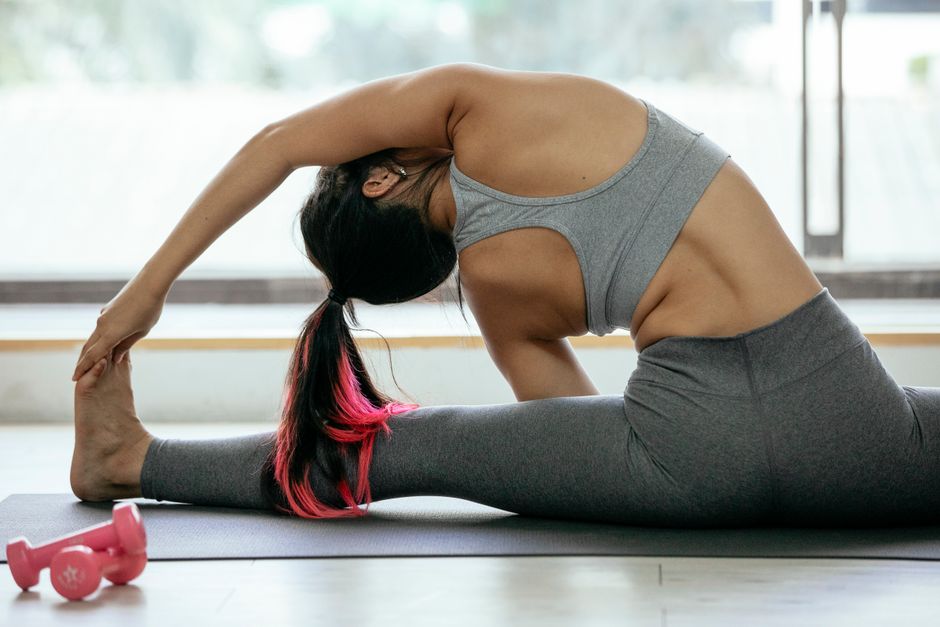
During exercise, muscles contract repeatedly, which can lead to a temporary reduction in their resting length. This shortening, if left unaddressed, may contribute to decreased joint mobility and increased muscle stiffness in the hours and days following the workout. Stretching after exercise, when the muscles are still warm, offers an opportunity to gently elongate those tissues. Over time, this practice can support improvements in flexibility, which refers to the ability of a muscle to lengthen passively through a range of motion.
Beyond flexibility, post-workout stretching plays a role in how the body manages the recovery phase. By gradually lowering the heart rate and promoting blood flow to the muscles, stretching may help clear metabolic waste products such as lactic acid, though the extent of this effect varies among individuals. It also provides a moment of mental transition, allowing the person to shift from the exertion of exercise to a state of rest. This process-oriented approach emphasizes consistency over intensity, as the benefits of stretching accumulate with regular practice rather than through aggressive or prolonged holds.
Key Principles for Safe Stretching
Before performing any stretch, it helps to understand a few fundamental guidelines. Stretching should never cause sharp or sudden pain. A mild sensation of tension is normal, but discomfort that alters the breathing pattern or forces the body to brace itself may indicate overstretching. Holding each stretch for 15 to 30 seconds is generally recommended for post-workout flexibility work, as shorter durations may not allow the muscle fibers enough time to relax and lengthen.
Breathing plays an important role in the stretching process. Inhaling deeply and exhaling slowly while holding a stretch can help reduce the nervous system’s stress response and encourage muscle relaxation. Another principle is to avoid bouncing or jerky movements, as these can activate the stretch reflex and lead to microtears. Instead, a steady, controlled approach allows the muscle to adapt gently. For those new to stretching, starting with a smaller range of motion and gradually increasing it over weeks can help the body adjust without undue strain.
Five Targeted Stretches for Flexibility
Hamstring Stretch
The hamstrings are often tight after activities involving running, cycling, or leg presses. To stretch them, lie on the back with both knees bent. Lift one leg and extend it toward the ceiling, keeping a slight bend in the knee if necessary. Use a towel or strap around the foot if more assistance is needed. Gently pull the leg toward the chest until a stretch is felt along the back of the thigh. Hold the position, then switch to the other leg. This stretch helps maintain the length of the hamstring muscles, which can support better hip and knee alignment during movement.
Quadriceps Stretch
The quadriceps, located on the front of the thigh, are heavily engaged during squats, lunges, and running. Standing upright, hold onto a wall or sturdy object for balance. Bend one knee and bring the heel toward the glute, grasping the ankle with the hand on the same side. Keep the knees close together and avoid arching the lower back. If the hand cannot reach the ankle, a strap can be used. This stretch targets the quadriceps and also gently works the hip flexors. It can be performed with the opposite hand on the hip to maintain stability.
Hip Flexor Stretch
Sitting for prolonged periods or performing exercises like leg raises can shorten the hip flexors. To stretch them, kneel on one knee with the other foot placed forward, forming a 90-degree angle at both knees. Keep the torso upright and gently shift the hips forward until a stretch is felt in the front of the hip of the kneeling leg. For a deeper stretch, raise the arm on the side of the back leg overhead and lean slightly away. This movement helps maintain mobility in the hips, which is essential for walking, running, and many athletic movements.
Chest Stretch
Pressing movements such as push-ups and bench presses can tighten the chest muscles, leading to rounded shoulders. A simple chest stretch can be done by standing near a doorway or a post. Place one forearm against the vertical surface at shoulder height and gently rotate the body away from that arm. The stretch should be felt across the chest and front of the shoulder. Hold for 20 to 30 seconds, then repeat on the other side. This stretch can help counteract the forward pull of the chest muscles and support better posture over time.
Back Stretch
The muscles of the back, particularly the latissimus dorsi and erector spinae, benefit from gentle lengthening after pulling exercises or overhead work. One effective stretch is the child’s pose, performed by kneeling on the floor, sitting back onto the heels, and lowering the torso forward with the arms extended in front. The forehead rests on the floor or a cushion, and the arms reach out to deepen the stretch along the spine and sides. This position allows the back muscles to relax and can be held for several breaths. It also provides a calming effect after a demanding workout.
How to Integrate These Stretches into Your Routine
Incorporating a set of stretches after a workout does not require a large time commitment. A sequence of the five stretches described above can be completed in approximately five to ten minutes, depending on the length of each hold. The order in which they are performed can be adjusted based on which muscle groups were most active during the training session. For instance, after a leg-focused workout, the hamstring, quadriceps, and hip flexor stretches might be emphasized, while an upper-body session might call for more attention to the chest and back stretches.
Consistency matters more than intensity. A person who stretches for a few minutes after each workout is more likely to see gradual improvements in flexibility than someone who stretches extensively only once a week. Over time, the body adapts to the regular range of motion, and the perceived tightness may diminish. It can also be helpful to combine these stretches with light aerobic activity, such as walking or cycling at a very low intensity, before beginning the cool-down. This helps reduce the heart rate gradually while preparing the muscles for stretching.
Common Mistakes to Avoid
One frequent mistake is stretching too aggressively, especially when the muscles are fatigued. The sensation of tightness after a workout does not always indicate a need for deep stretching; sometimes it simply signals that the muscles have been worked intensely. Applying excessive force can lead to strains or prolonged soreness. Another common error is holding the breath during a stretch, which increases tension rather than promoting relaxation. Focusing on slow, deep breaths helps the body release tension more effectively.
Additionally, skipping the cool-down entirely is a missed opportunity for recovery. Many individuals leave the gym immediately after their last set, missing the chance to transition the body gradually. Even a few minutes of stretching can make a difference in how the body feels the next day. It is also important to recognize that flexibility gains are specific to each joint and muscle group; progress in one area does not guarantee progress in another. A balanced approach that addresses multiple muscle groups supports overall mobility and reduces the likelihood of imbalances that could affect movement patterns.