Upcoming Fitness Events in Your City
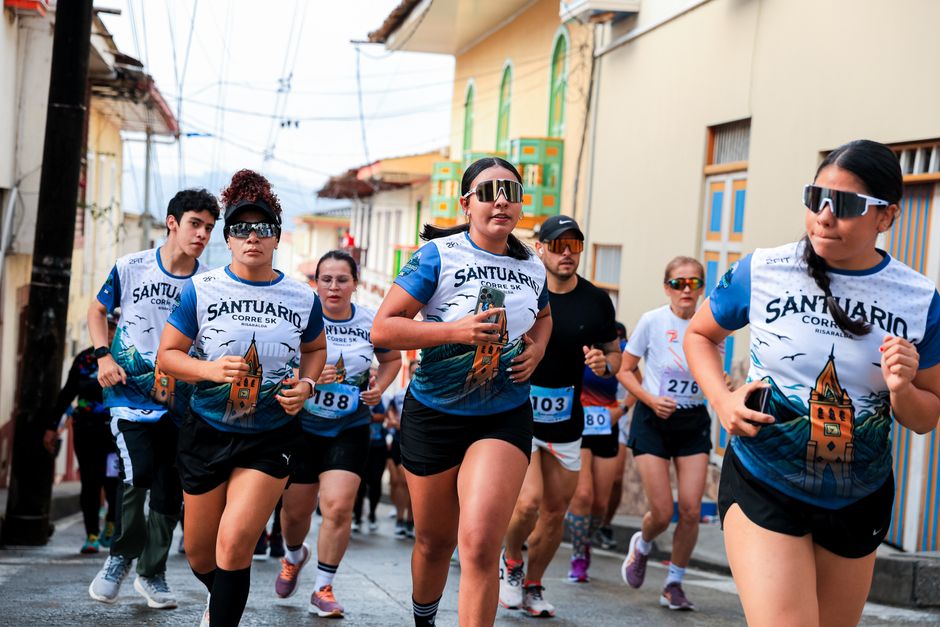
Staying aware of local fitness events can offer opportunities to engage with physical activity in a structured and social setting. Many communities host a range of events throughout the year, including marathons, charity runs, and obstacle races. These gatherings bring together individuals with varying levels of experience and fitness backgrounds, creating an environment that encourages participation and shared effort.
Understanding what types of events are available and how to prepare for them can help individuals make informed decisions about their involvement. While the primary focus of such events is often physical challenge, they also serve as platforms for community engagement and charitable support. The following sections explore the landscape of local fitness events, methods for discovering them, and general considerations for those interested in taking part.
It is worth noting that the benefits of participating in these events depend on a variety of factors, including individual preparation, event organization, and personal goals. Rather than promising specific outcomes, this article aims to provide a clear overview of the options and processes involved in joining a local fitness event.
Understanding the Variety of Local Fitness Events
Local fitness events generally fall into several common categories, each with distinct characteristics. Marathons and half-marathons are long-distance running events that require sustained endurance. Charity runs, on the other hand, are often shorter and focus on raising funds or awareness for a cause. Obstacle races incorporate physical challenges such as climbing, crawling, and carrying objects, testing strength and agility in addition to cardiovascular fitness.
Other types include fun runs, which are non-competitive and designed for families, and triathlons that combine swimming, cycling, and running. Each event type appeals to different interests and fitness levels. Understanding these categories helps participants choose events that align with their current abilities and training preferences.
Event organizers often provide detailed information about course length, terrain, and required equipment. Prospective participants may find it useful to review these details to assess their readiness. Many events also offer multiple categories, such as elite, amateur, or walking divisions, allowing a broader range of individuals to take part.
How to Discover Upcoming Events in Your Area
Finding local fitness events requires knowledge of where to look and what resources are available. Community centers, running clubs, and fitness studios frequently post event flyers or maintain calendars. Online platforms dedicated to event listings also serve as convenient tools for searching by location and date. For example, websites that aggregate race and event information allow users to filter by distance, type, and date.
Social media groups focused on local fitness communities often share upcoming events and personal experiences. Additionally, many events maintain official websites or partner with registration services that list all relevant details. Checking these resources regularly can help individuals stay informed about both annual events and newly organized gatherings.
Organizations like SportVibe may also offer information about local events or host their own community runs. Relying on multiple channels increases the likelihood of finding events that match personal interests and schedules. It is advisable to verify event dates and registration deadlines well in advance, as popular events can fill up quickly.
General Preparation Considerations
Preparing for a fitness event involves several steps that vary depending on the type and distance of the event. For running events, a gradual training plan that builds mileage over several weeks is a common approach. Obstacle races may require specific strength training and practice with obstacles. Charity runs often have less stringent training requirements but still benefit from prior conditioning.
Proper nutrition and hydration before, during, and after an event can support performance and recovery. It is important to listen to one’s body and adjust training intensity based on personal limits. Consulting with a healthcare provider before starting a new exercise program is a recommended step, especially for individuals with pre-existing conditions.
Equipment also plays a role in event preparation. Appropriate footwear, clothing suited to weather conditions, and any mandatory gear specified by the event organizers should be arranged beforehand. Many events provide guidelines on what to bring, including safety items like hydration packs or headlamps for longer races. Preparing in advance helps reduce stress on the day of the event and allows participants to focus on the experience itself.
The Role of Community in Fitness Events
Fitness events often serve as gathering points for local communities. Participants, volunteers, and spectators come together to support a shared activity. Charity runs, in particular, highlight the connection between physical activity and social causes. Funds raised during these events frequently go toward local organizations, schools, or health initiatives, creating a tangible impact beyond the event itself.
Volunteering at an event is another way to engage without competing. Many events rely on volunteers for tasks such as course marshaling, water station management, and registration support. This involvement can provide a sense of contribution and a deeper understanding of how events are organized.
For those who participate, the social atmosphere can be a motivating factor. Running or completing challenges alongside others fosters a sense of camaraderie. However, the degree of social benefit depends on individual preferences and the event’s structure. Some events emphasize competition, while others prioritize inclusivity and fun.
Factors to Consider When Selecting an Event
Selecting a fitness event that suits one’s goals and circumstances involves evaluating several variables. Distance and difficulty are primary considerations. A marathon requires significant training and time commitment, while a 5K fun run may be accessible to beginners. Charity events often offer flexible participation options, such as walking or running, making them suitable for a wider range of fitness levels.
Location and date also matter. Events held locally reduce travel time and logistical complexity. Checking the calendar for potential conflicts with work or family obligations helps in planning. Additionally, the cause or theme of an event may influence the decision for individuals who wish to support a particular issue.
Cost is another factor. Registration fees vary widely, and some events include fundraising minimums. It is advisable to review the full event details, including any required donations or additional costs such as parking or gear. Comparing multiple events and reading participant reviews can provide insight into the overall experience and organization quality.